Remembering
The Bombing of Hiroshima and Nagasaki
1945, August. The 6th and the 9th.
Two actions that stopped the Eastern War with Japan.
Was the dropping of the two bombs a necessity or an oversight of frustration?
Many will argue both ways, the Hawks say “an end to a bloody and horrible war” but the doves say “not at the expense of civilian life”. Both were correct. Only one decided the fate of countless thousands dead and those to suffer a miserable lingering end.
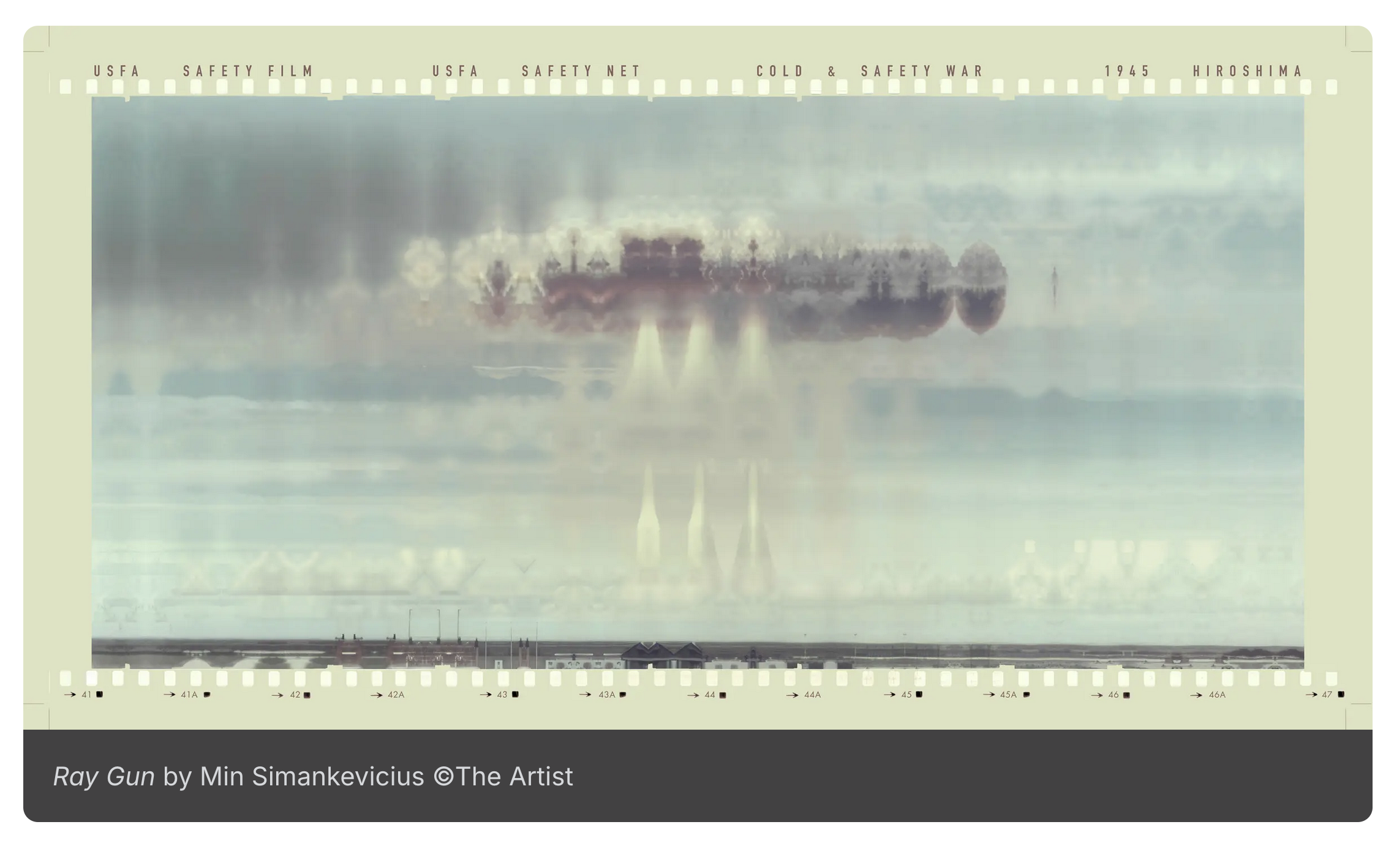
Gallery
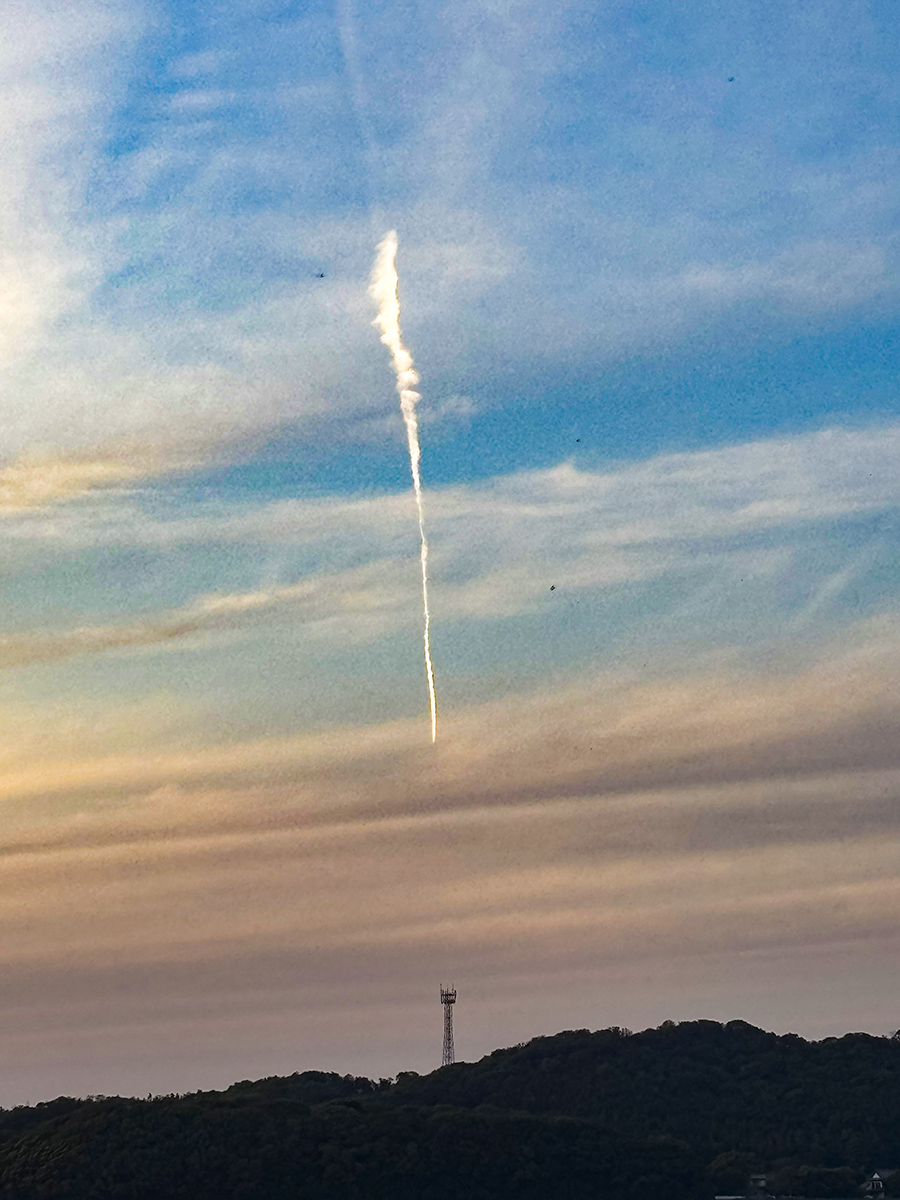
Sky Trail
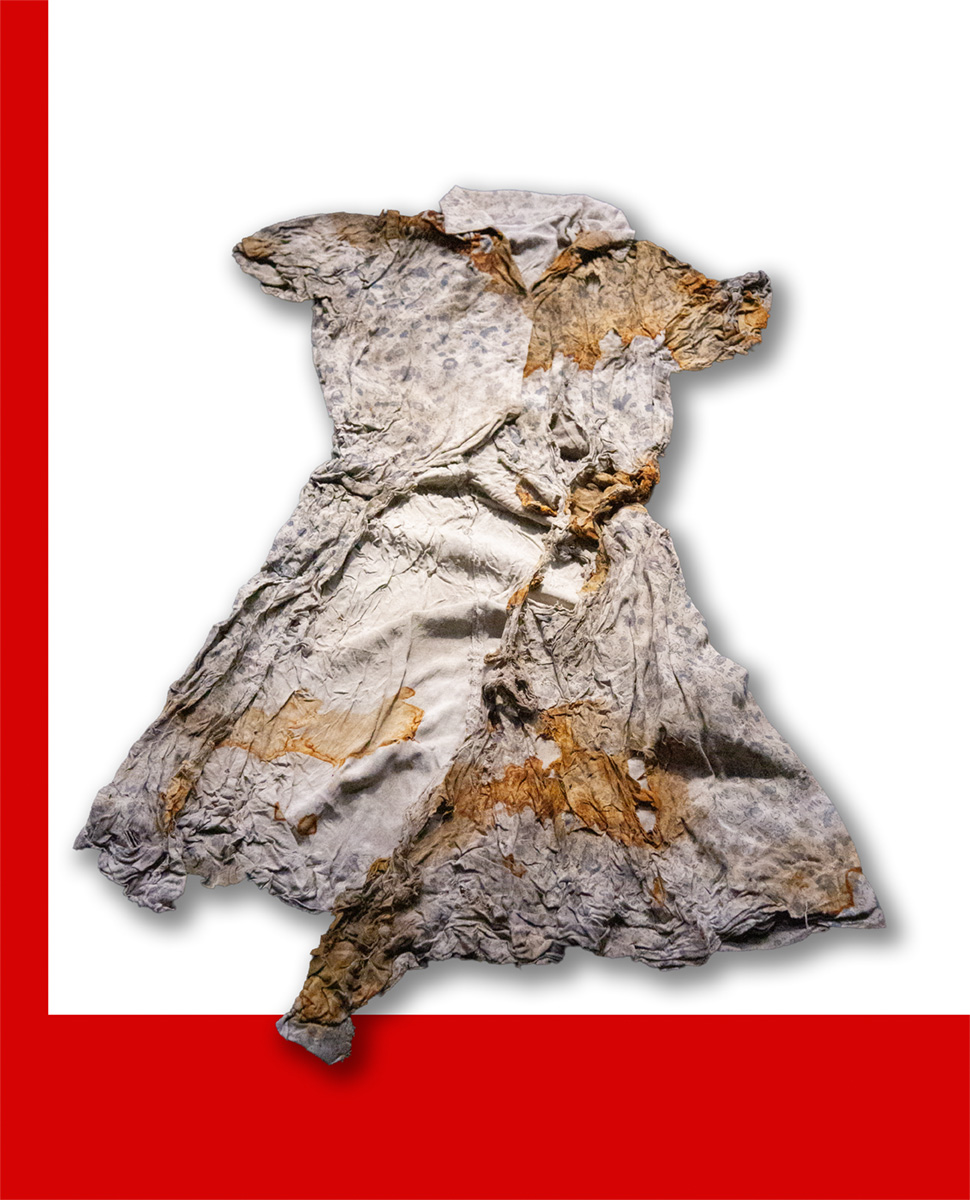
Lost Child 02

Egg 04
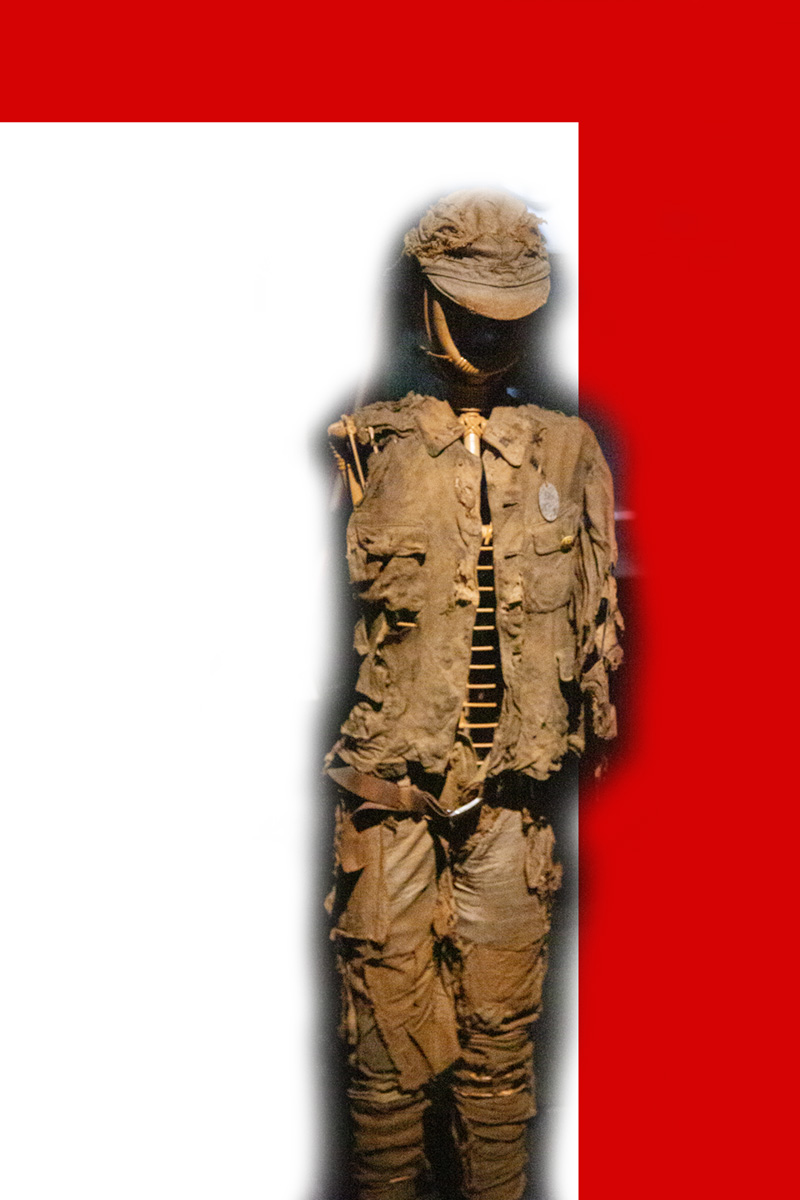
Lost Soldier 01

Egg 03
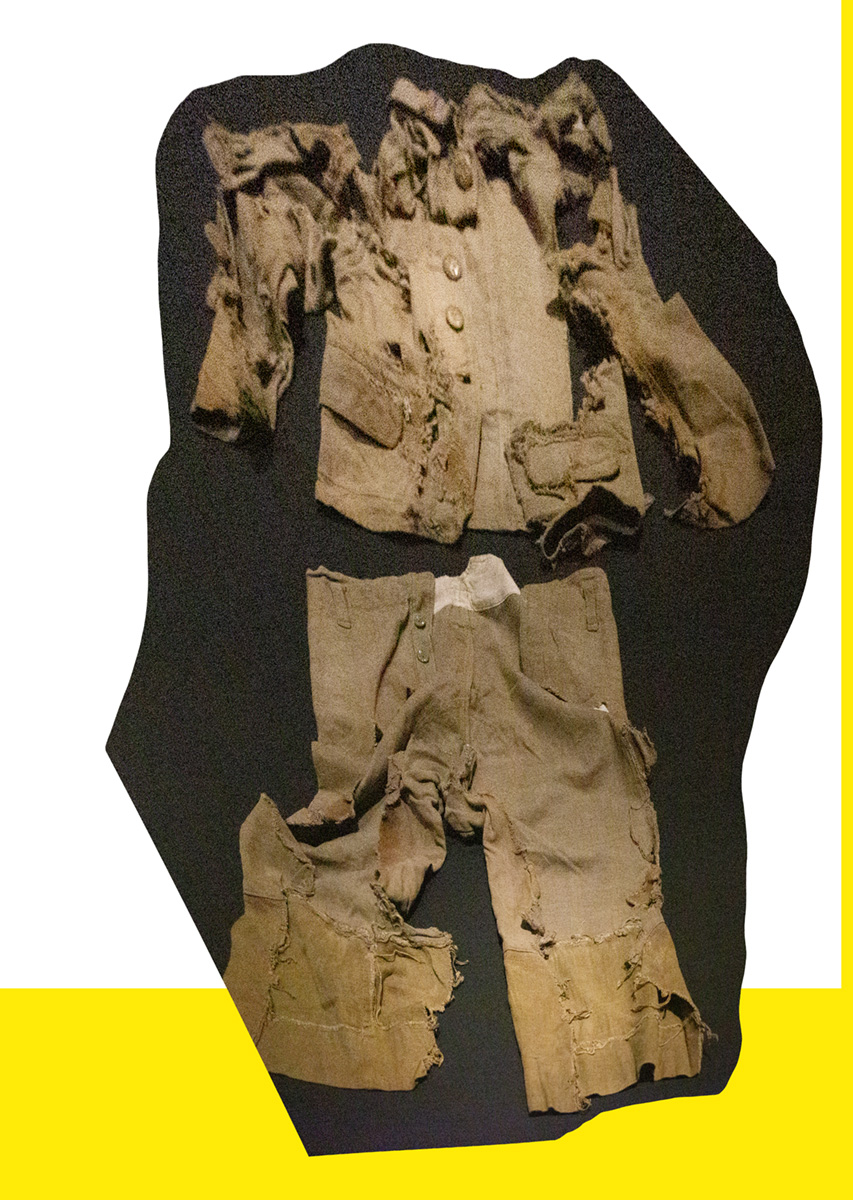
Lost Child
Egg 02
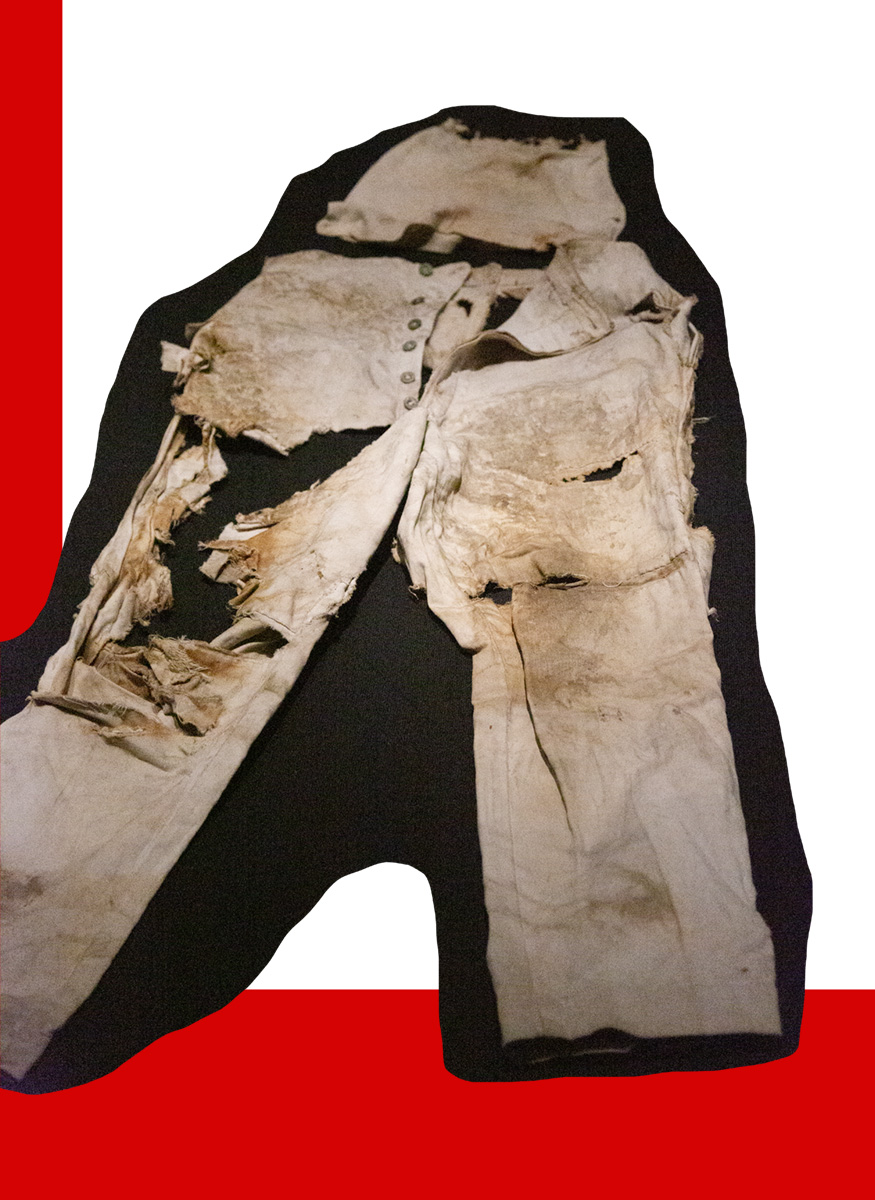
Lost Soul 03
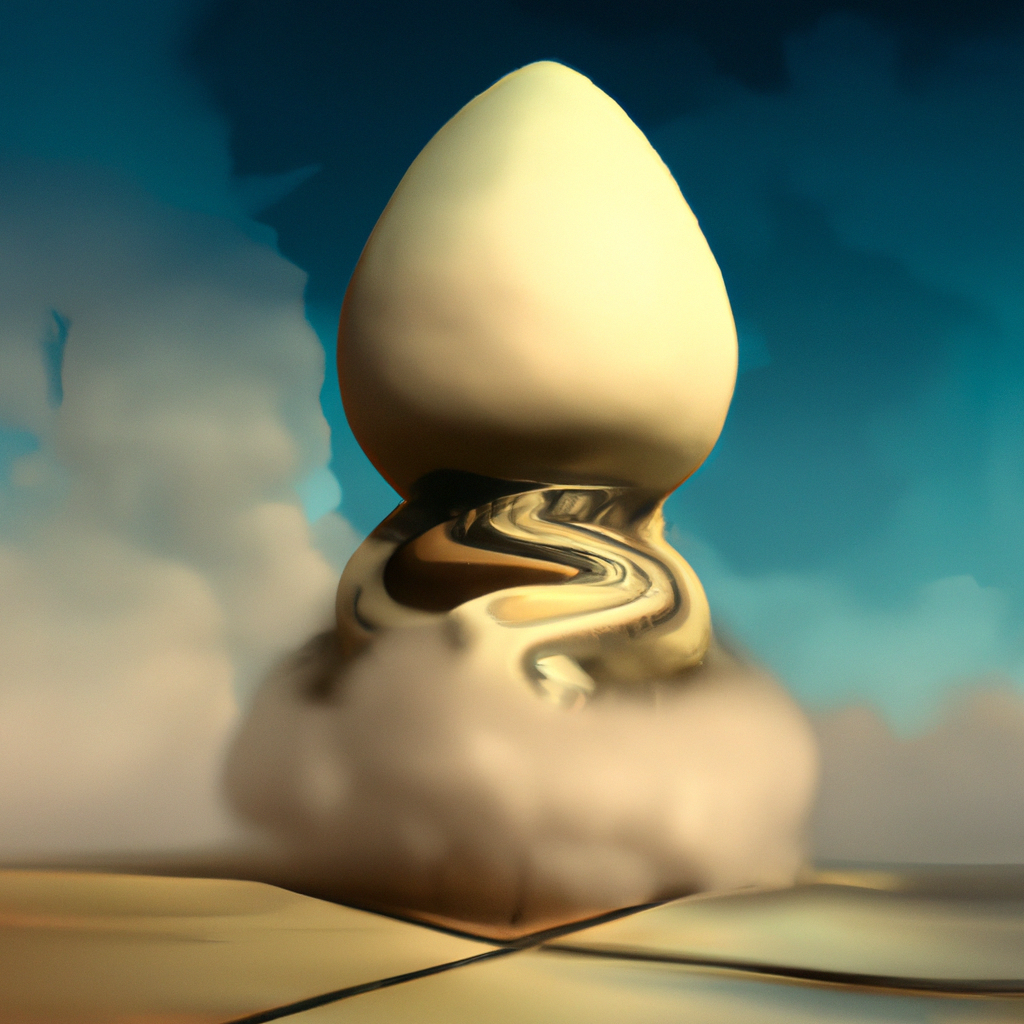
Egg 01
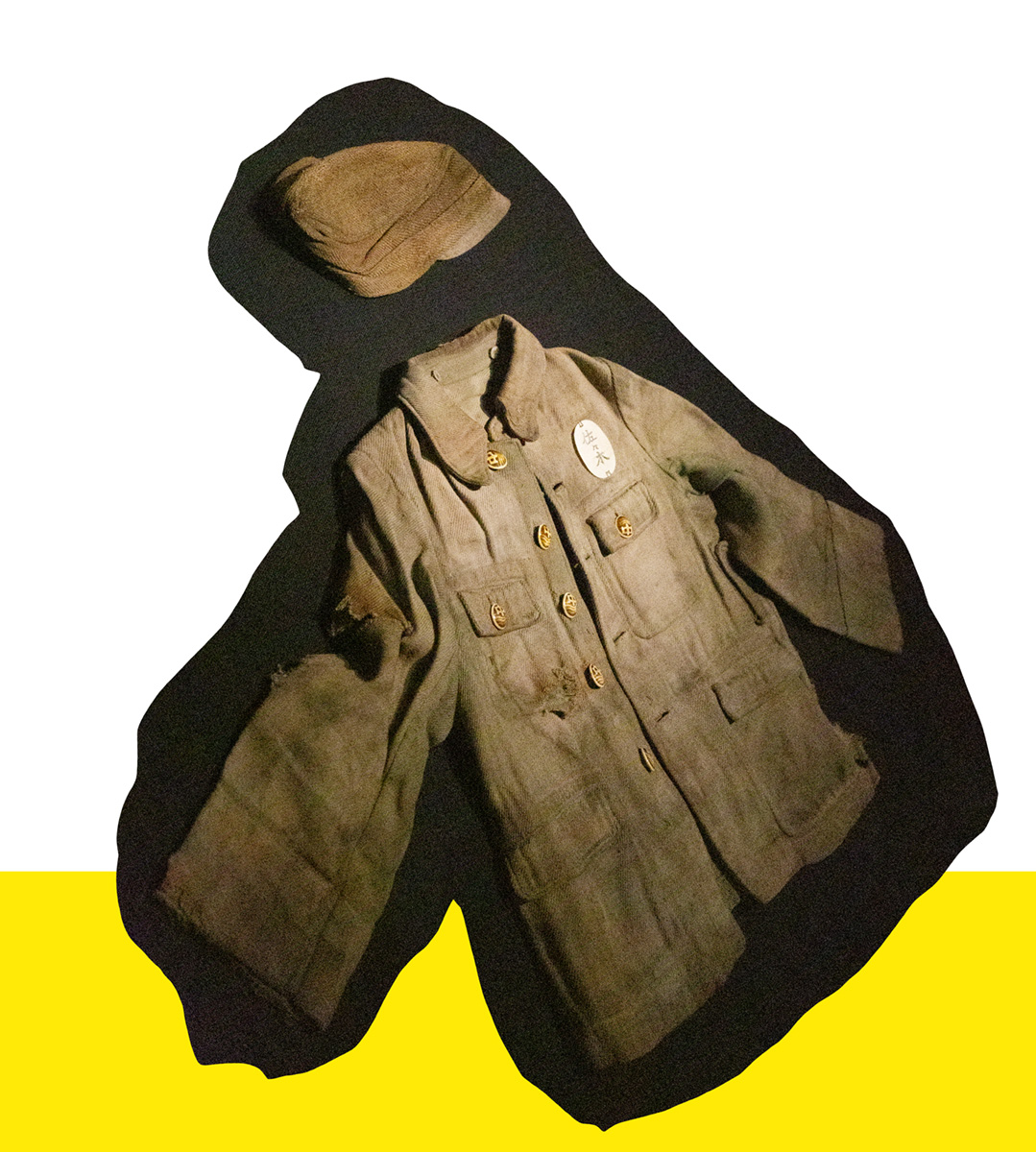
Lost Soul 02
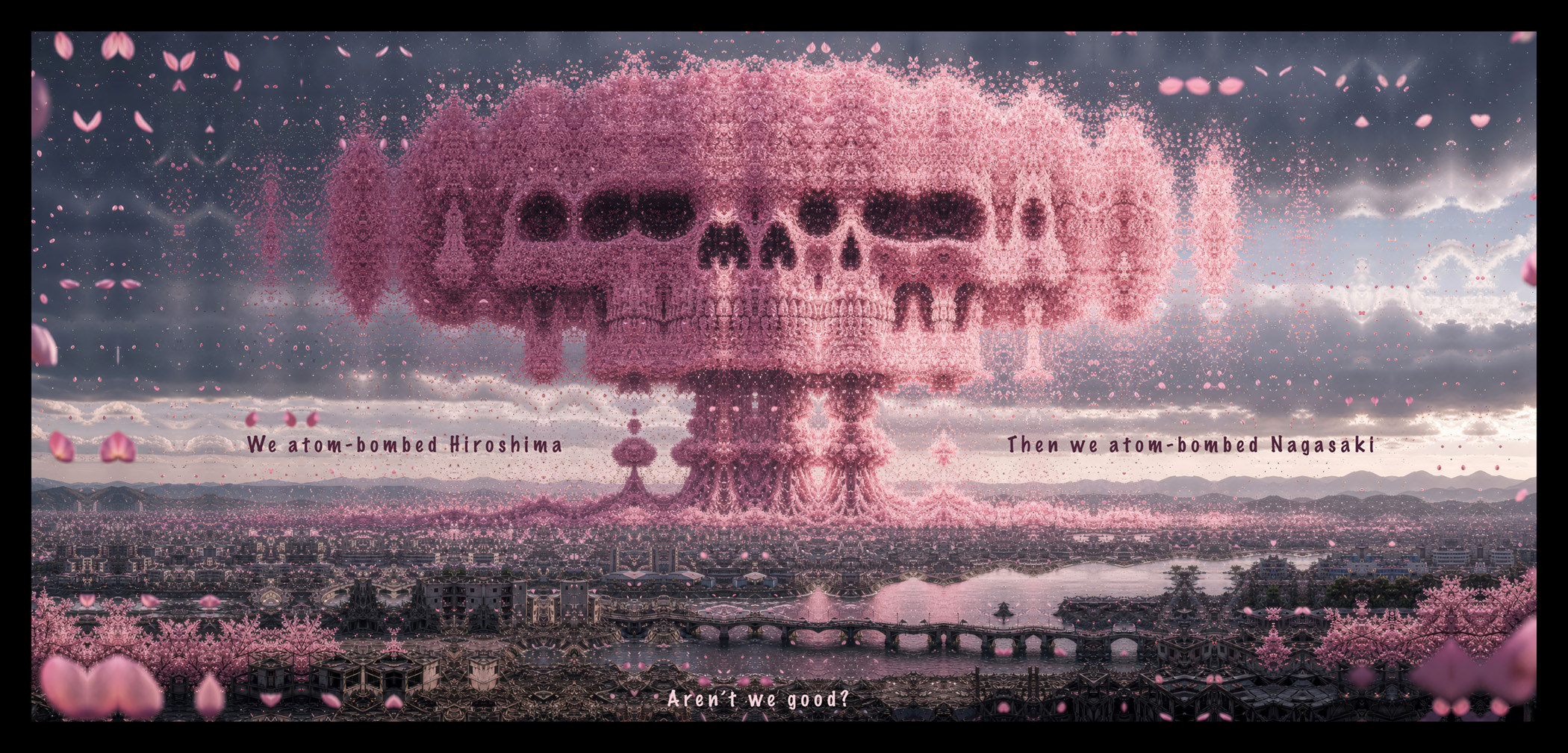
HIROSHIMA BLOSSOM
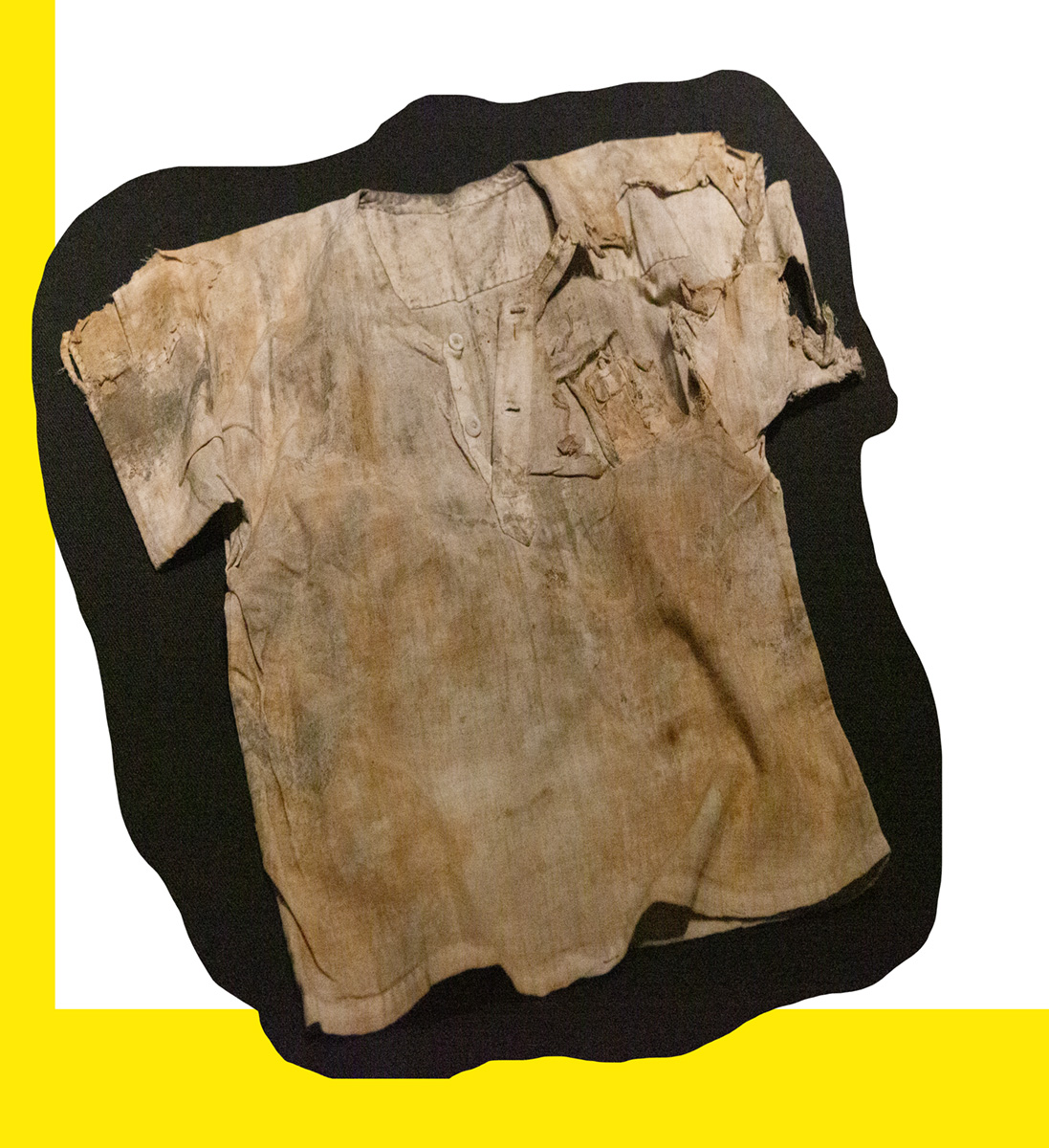
Lost Soul 01
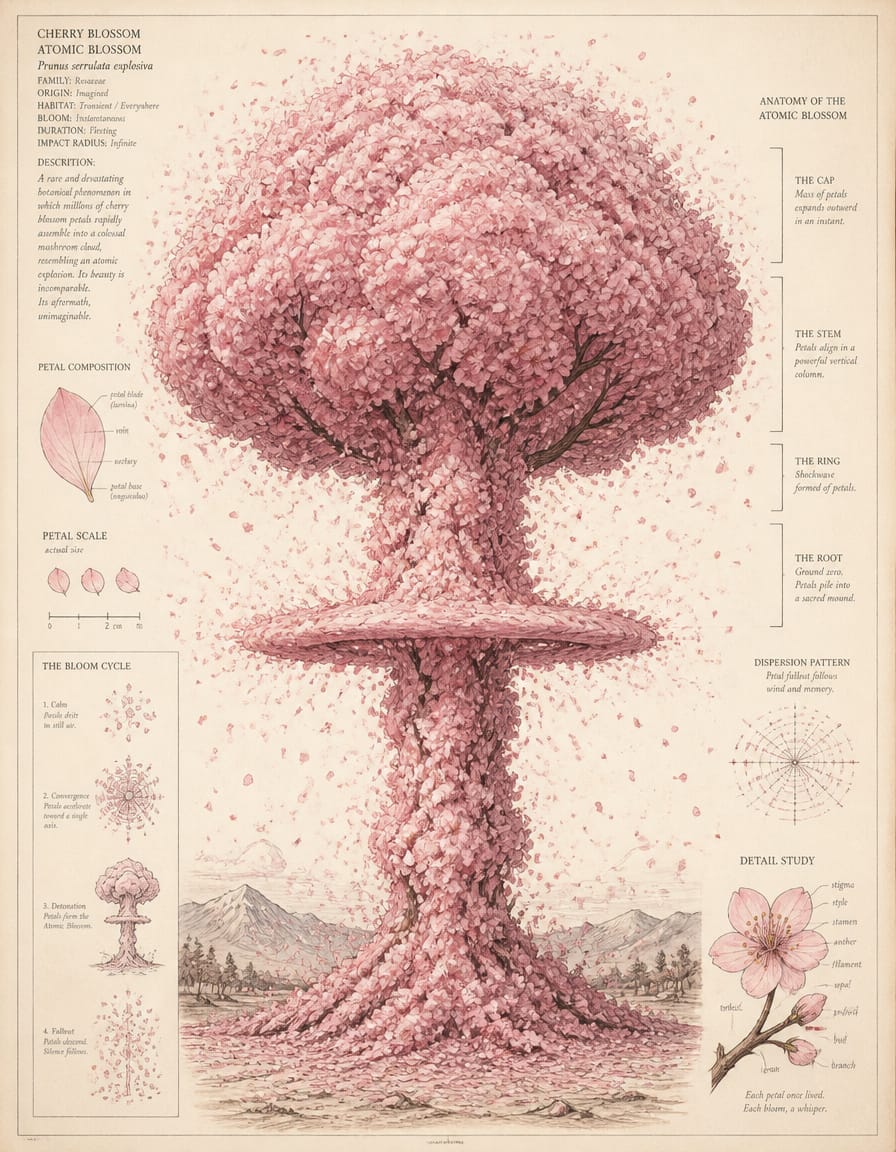
Cherry Blossom in Boom
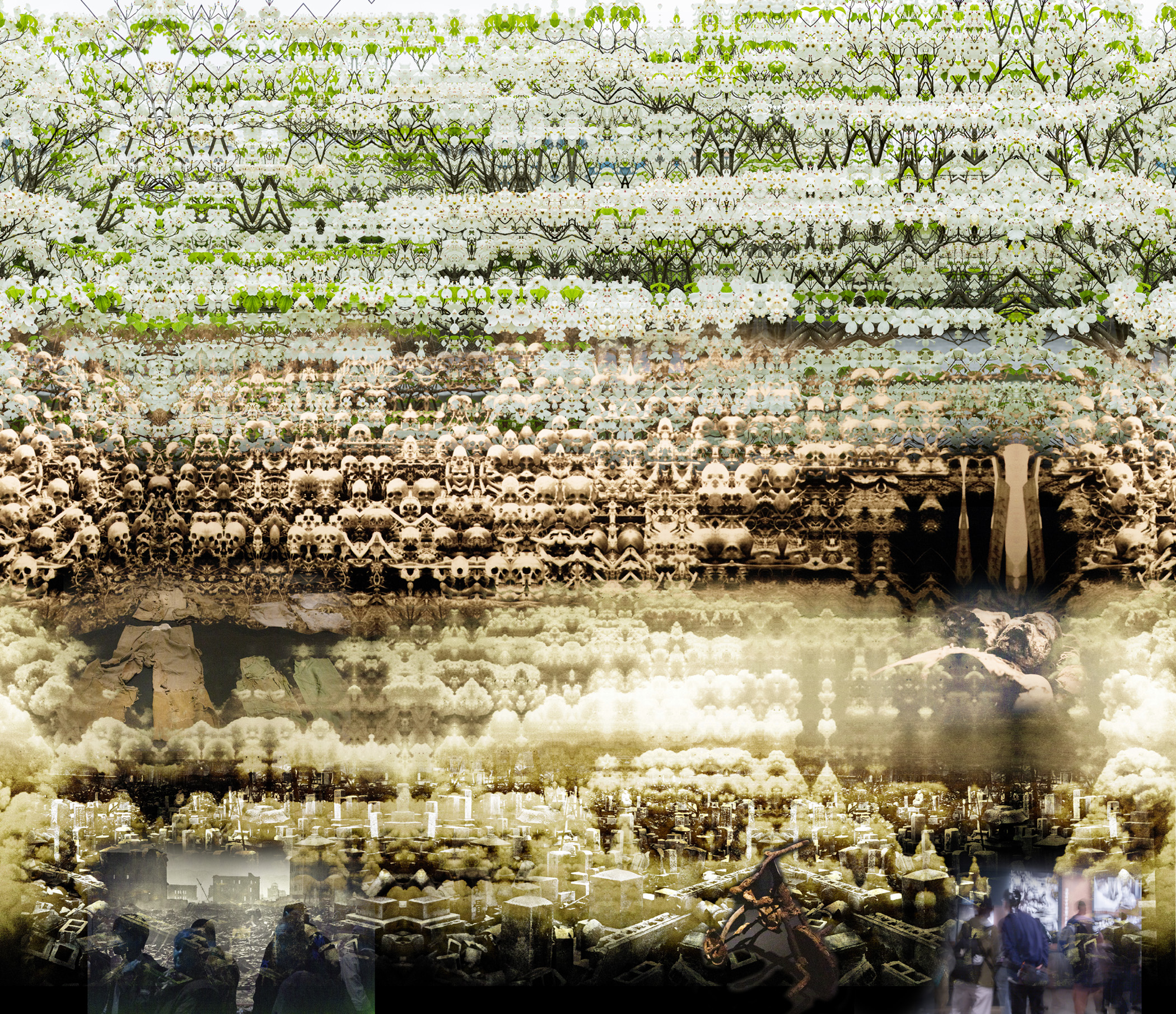
Hiroshima Blossoms
Aren’t we good?
Why is Hiroshima habitable now when the half life of uranium-235 is 700 million years?
A 700-million-year half-life is exactly why uranium wasn’t the main danger in Hiroshima. The real radioactive threat detonated 1,900 feet in the air—and the fireball never touched the ground.
A long half-life actually means low radioactivity; uranium-235 decays so slowly that it emits very little radiation at any given moment. The “Little Boy” bomb dropped on Hiroshima contained about 64 kilograms of enriched uranium, but only about 1 kilogram actually underwent nuclear fission. The process split those uranium atoms into lighter elements like strontium-90, cesium-137, and iodine-131. These fission products are the source of dangerous nuclear fallout. Unlike uranium, they have relatively short half-lives ranging from eight days to thirty years. Because they decay rapidly, they release a highly concentrated, lethal burst of radiation—but they also burn themselves out relatively quickly.
Because the bomb was an airburst, the nuclear fireball never touched the earth. It did not sweep up thousands of tons of dirt and debris, irradiate it, and drop it back onto the city as heavy, localized fallout. Instead, the intense heat carried the radioactive vapor up into the stratosphere within the mushroom cloud, where high-altitude winds caught it and dispersed it globally in microscopic, harmless amounts.
While some localized contamination did fall back to earth as “black rain,” it was spread thin. The remaining short-lived isotopes decayed completely within weeks or months. The medium-lived isotopes, like cesium-137, were subjected to decades of heavy Japanese rainfall and typhoons, washing into the rivers and ocean. During the massive postwar reconstruction effort, the physical topsoil of the city was heavily disrupted, buried, or replaced entirely to lay the foundations for new infrastructure.
Today, background radiation in Hiroshima is indistinguishable from the normal levels found anywhere else on Earth, allowing the city to thrive as a modern metropolis of over a million residents.
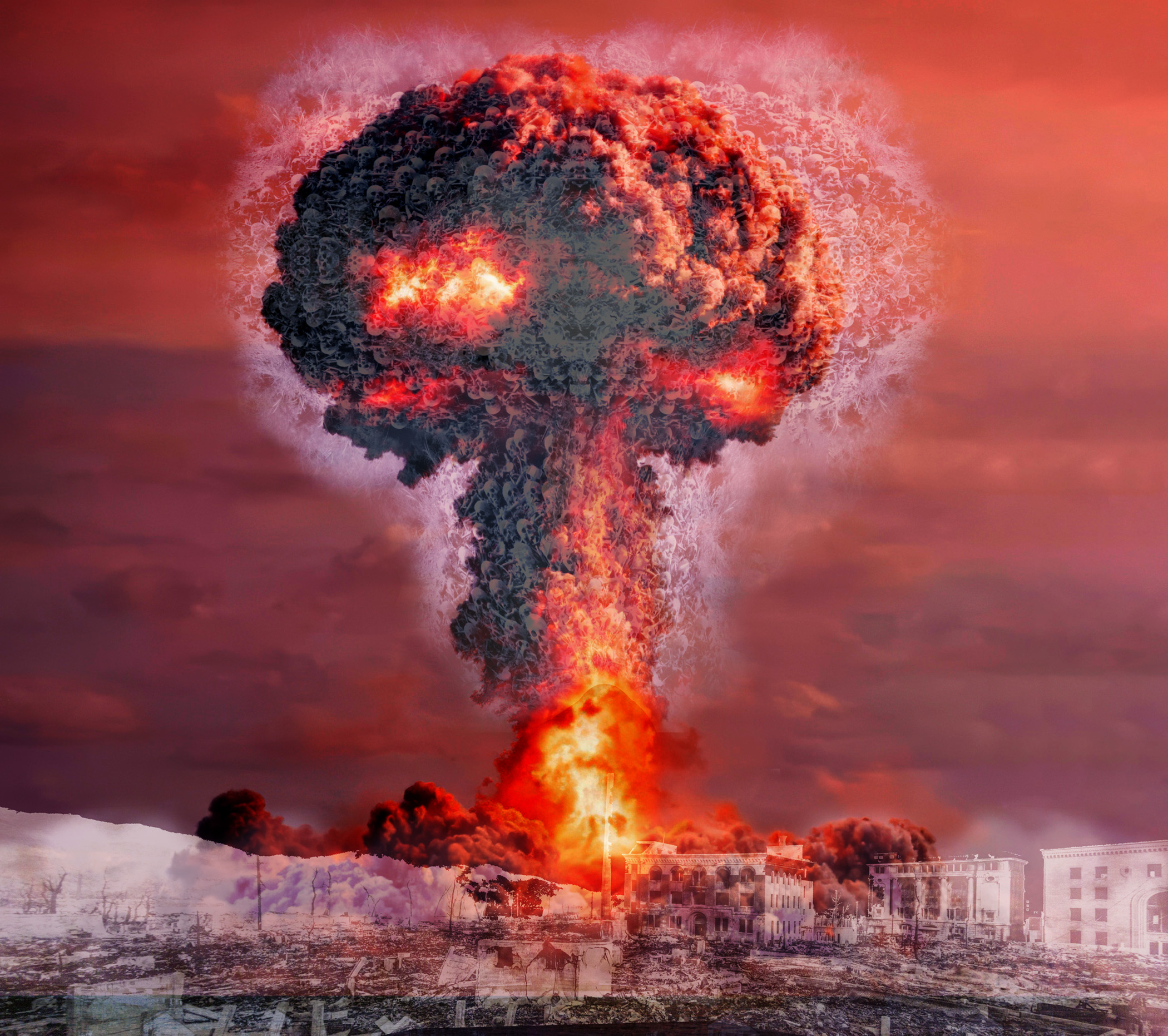
Death Cloud 2